You're planning to launch a premium community. You've decided Discord is the platform. You're researching channel structures, bot configurations, and onboarding flows. You're investing weeks into building the perfect Discord server.
Then you invite your first 100 members. They're senior executives at professional services firms. They join your server. They look around. Most leave within minutes. The few who stay never post. You're confused because you followed every Discord best practice.
The problem wasn't your implementation. The problem was platform choice. You built on Discord for an audience that doesn't use Discord. You could have predicted this outcome by asking one question before building anything.
The question is: Do your target members currently use Discord?
If the answer is yes, Discord is probably the right platform. If the answer is no, Discord is probably wrong regardless of how well you configure it.
This question matters more than feature comparisons, pricing analysis, or integration capabilities. Existing platform habits predict adoption better than any technical evaluation.
The psychology is straightforward. People adopt new tools easily when those tools resemble existing tools they already use. People resist new tools when those tools require learning unfamiliar interfaces and workflows.
If your audience uses Discord daily for other communities, adding your community to their Discord is trivial. They already know the interface. They already check Discord regularly. Your community slots into existing behavior.
If your audience has never used Discord and barely knows what it is, getting them to adopt Discord for your community alone requires overcoming massive friction. They need to create accounts, learn the interface, understand server structure, figure out channels and roles, and integrate checking Discord into their daily routine. All of this just to access your community.
Most won't do it. Not because they don't value your community. Because the adoption cost exceeds the perceived value.
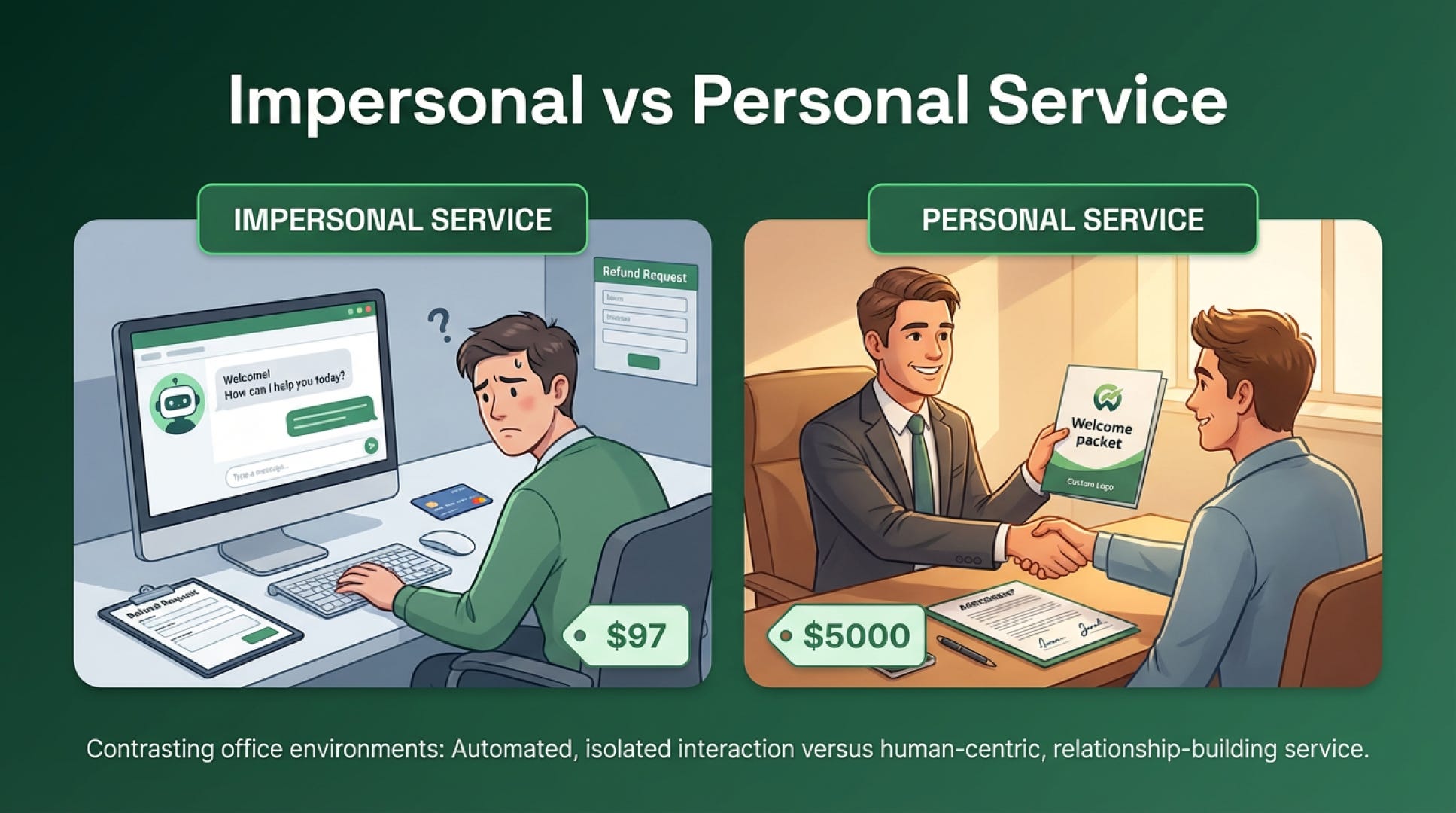
I worked with a founder building a coaching program for creative agency owners. His program cost $5000 and included weekly group coaching, a resource library, and ongoing support. He wanted to build the community component on Discord.
I asked about his target audience. Agency owners running 7 figure businesses. Ages 35-55. Based in major US cities. Tech comfortable but not tech native. Busy managing teams and clients.
I asked if these people currently use Discord. He said probably not. They use Slack for team communication, LinkedIn for professional networking, and email for everything else. Most had never used Discord.
I suggested building on Circle or even LinkedIn instead. Discord would create unnecessary adoption friction for an audience with no existing Discord habits. His members wouldn't resist because they dislike Discord. They'd resist because learning a new platform felt like homework.
He disagreed. Discord is where successful communities live. He'd seen dozens of case studies. He wanted the features Discord provided. He built an elaborate Discord server.
Six months in: 180 members, almost zero engagement. He'd post thoughtful discussion prompts. Nothing. He'd share valuable resources. Silence. He'd schedule events. Nobody attended. The community felt dead despite having hundreds of paying members.
He thought the problem was content quality or event timing or channel organization. He kept iterating. Nothing improved. Finally, he asked members directly why they weren't engaging.
The feedback was consistent: Discord felt unfamiliar and they didn't want to learn a new platform. They had enough tools already. Adding Discord to their stack felt like work.
We moved the community to Circle. Same members, same content, same value proposition. Different platform that worked through web browsers with familiar interfaces. Engagement jumped within weeks. Members started posting, attending events, and using resources. The content quality hadn't changed. The platform friction had disappeared.
The lesson is that existing habits predict adoption. If your audience already uses a platform, building on that platform removes friction. If they don't use that platform and have no reason to start besides your community, you're fighting uphill.
The practical application is asking the adoption question before choosing platforms. Survey your target audience or talk to representative members. Do you currently use Discord? What platforms do you check daily? Where do you prefer community discussions to happen?
Their answers tell you where to build. If they say they use Discord daily, build on Discord. If they say they use LinkedIn and Slack, build on one of those. If they say they use WhatsApp, build there. Match your platform to their existing habits.
Some founders worry this approach limits their options. They want to choose the best platform based on features. This misunderstands what makes a platform best. The best platform isn't the one with the most features. It's the one your audience will actually use.
Discord has incredible features. If your audience won't log into Discord, those features create zero value. Circle has fewer features than Discord. If your audience will log into Circle regularly, the features it has create massive value.
The error is evaluating platforms in isolation instead of evaluating platform audience fit. A Ferrari is an incredible car. If you live somewhere without paved roads, it's a terrible choice. Discord is an incredible platform. If your audience doesn't use Discord, it's a terrible choice.
Your competitors are choosing platforms based on feature lists and trend articles. They're building on platforms their audiences won't adopt. You can choose platforms based on where your audience already is and watch adoption happen naturally.
Ask the question before building, not after. Do your target members currently use Discord? Let the answer guide your choice.
Platform adoption follows existing habits. Fight those habits and lose. Align with them and win.
<<<<<<< HEAD